Zulu in the NATO Phonetic Alphabet
By Juan Mediavilla. Published May 31, 2026. Last updated May 31, 2026.
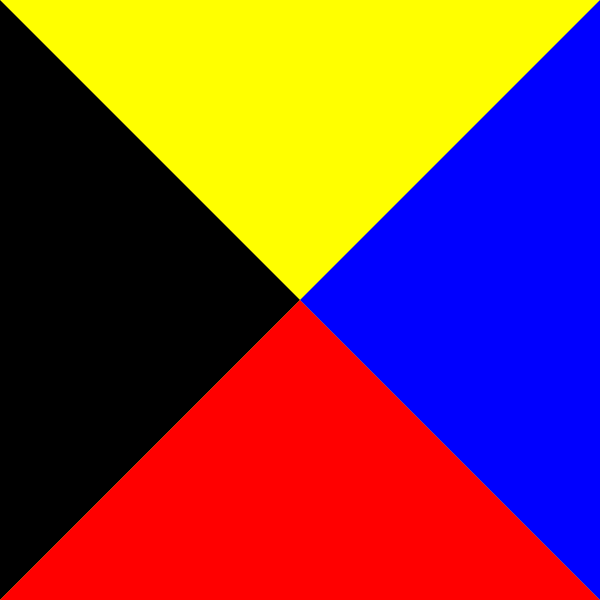
Z is Zulu
The official International Radiotelephony Spelling Alphabet word for Z is Zulu, pronounced ZOO-LOO. It is the final word in the alphabet and one of the easiest to recognize in a radio exchange because its two syllables are distinct.
The NATO phonetic alphabet reference explains why the shared alphabet matters: code words reduce spelling mistakes and miscommunication when people from different countries, accents, and language backgrounds work together.
Zulu in Morse code
The Morse code for Z is:
--..
That is two dashes followed by two dots. Compare it with A, .-, in the complete A-Z reference to see how Morse assigns a distinct rhythm to each letter.
Use the ABC Nato translator to see Zulu alongside its signal flag and play the Morse pattern.
Why pilots say Zulu time
Zulu has a second life in aviation: it is used to denote Coordinated Universal Time, or UTC. The FAA Pilot/Controller Glossary states that FAA operations use UTC and that the term Zulu may be used for it.
A shared clock matters when a flight, weather report, or operational message crosses time zones. Instead of translating between local times, everyone can refer to a single UTC time group. A time written as 1500Z, for example, means 15:00 UTC.
Before Zulu: Zebra
Zulu was not always the standard word for Z. The older Able Baker alphabet used Zebra. ICAO replaced the post-war alphabet after extensive study and implemented the final international version in 1956. The ICAO historical overview describes how that work led to the alphabet now used by aviation, NATO, and other organizations.
When Zulu is useful
Z can be difficult to hear clearly because its letter name varies across English-speaking regions: zee in American English and zed in British English. Zulu gives everyone the same unambiguous word.
Continue with Alfa, browse the A-Z reference, or read how the alphabet is used in aviation.